



Garden Trading
There's something for everyone at Garden Trading. From beautifully curated storage, accessories and kitchenware to furniture, lighting and outdoor seating, our cohesive collections consider every little detail of your living space and are designed to combine practical and uncluttered function with effortless style.
Shop Garden Trading at Portmeirion Online.
 Grid
Grid List
List


Garden Trading Southbourne Bath Bridge Natural
Garden Trading Southbourne Bath Bridge Natural
The Southbourne Bath Bridge not only helps you de-clutter bathrooms and display your best loved toiletries, it also has two wine glass holders. The perfect way to unwind after a hard days work.
Dimensions: H4 x W72 x D21cm
Wine Glass Opening x2: Opening 1.6cm and Depth 3cm
Crafted in Beech
Material is natural and unvarnished
For indoor use...


Garden Trading Southbourne Soap Dish Natural
Garden Trading Southbourne Soap Dish Natural
It's the finer details that bring the look and feel of interiors together and, with its simple slatted design, the Southbourne Soap Dish does just that. Crafted in natural beech, it enhances a feeling of calm serenity in a bathroom or cloakroom and its natural tones blend well with a host of different interior colour schemes, making it an ideal gift.
...


Garden Trading Pembridge Linen Duvet Cover - Grey & White
Garden Trading Pembridge Linen Duvet Cover - Grey & White
Our Pembridge Linen Duvet Cover is made from high-quality 100% European linen spun in India - a material that keeps you warm in winter and cool in summer, aiding sleep. Transforming your bedtime, this linen duvet cover in Grey & White stripe has coconut buttons along the end and comes perfectly folded in its own matching buttoned...


Garden Trading Pembridge Linen Fitted Sheet - Lily White
Garden Trading Pembridge Linen Fitted Sheet - Lily White
Make bedtime something to look forward to with our Pembridge Linen Fitted Sheet. This sheet in Lily White is made with gorgeous 100% European linen spun in India - a material that keeps you warm in the winter and cool in the summer, helping you sleep. Easy to change, this fitted sheet comes beautifully folded in a matching linen bag with...


Garden Trading Pembridge Linen Pillowcases Set of 2 - Lily White
Garden Trading Pembridge Linen Pillowcases Set of 2 - Lily White
The recipe for a blissful night's sleep? Resting your head on our Pembridge Linen Pillow Cases. Crafted from 100% European linen spun in India, this set of two pillow cases in Lily White helps keep you cool at night in summer and warm in winter. They come individually folded in matching linen bags closed with coconut buttons and wrapped...


Garden Trading Soap Dish White
traditional crisp white enamel soap dish is perfect for the bathroom, laundry room and kitchen. It's designed in two parts, the lower dish catches excess water to stop soap going soft.
Dimensions: H2.5 x W15.5 x D10.5cm Crafted in Enamel Comes in two parts


Garden Trading Westcote Soap Dispenser
Garden Trading Westcote Soap Dispenser
Add design flair to any space with the Westcote Soap Dispenser in raw granite. Featuring a smooth, rounded shape topped with a stainless steel pump, its deep grey colouring matches a range of interiors, whether placing in your bathroom, kitchen or WC. The tube and inner bottle are constructed in plastic, ensuring a seamless design. Part of the Westcote range,...


Garden Trading Westcote Toothbrush Holder
Garden Trading Westcote Toothbrush Holder
Add contemporary to any space with the Westcote Toothbrush Holder in raw granite. Featuring a smooth and thick set rounded shape, its grey colouring matches a range of interiors and colour schemes. Part of the Westcote range, there are more coordinating pieces available.
Dimensions: H10 x Diameter 8cmTop opening: Diameter 5cmCrafted in Raw GraniteBase...
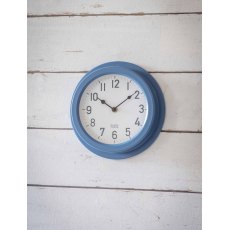

Garden Trading Tenby Clock - Lulworth Blue
Garden Trading Tenby Clock Lulworth Blue
Compact and classic use the Tenby Clock indoors or out. Keep track of time as you're cooking, gardening or dashing out of the house. It's time to choose a colour: Carbon or Lulworth Blue - tick tock
Dimensions: Depth 4.7 x Diameter 22cm
Crafted in Powder Coated Steel and Glass
Colours: Carbon, Lulworth Blue or Lily White
Weatherproof
Suitable for...
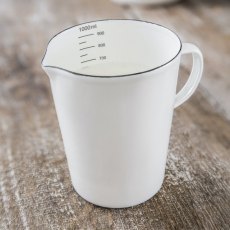
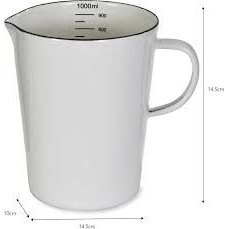
Garden Trading Measuring Jug Enamel
Garden Trading Measuring Jug Enamel
Every kitchen needs trusty staple items to make cooking and baking that little bit easier. Crafted from Warm White Enamel, this handy Measuring Jug holds up to 1000ml/1L with easy-to-read measurements printed on the inside. The traditional, timeless design means It's as at home sat proudly on a shelf as it is tucked away in the cupboard.
Dimensions: H14.5...
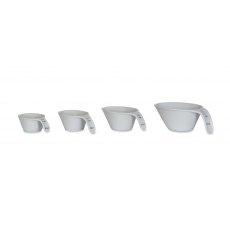
Porcelain Rialto Measuring Cups
Porcelain Rialto Measuring Cups
Ensure favourite bakes and culinary creations have precise ingredients with our Rialto Measuring Cup Set. The set of 4 measures 60, 80, 125 and 250ml or 1/4, 1/3, 1/2 and 1 cups and nest together to store in a drawer or cupboard. The distinctive teardrop shapes are crafted in neutral white Porcelain, ready to become staple items in kitchens for years to come.

Garden Trading Butter Dish Enamel White
Toasty treats. Afternoon baking. Weekend brunches. All deserve the best butter at the perfect temperature. Store in our traditional Enamel Butter Dish in Charcoal, White or Carbon. Fitting a 250g block of butter, the wooden lid also doubles as a base, to store however is preferred.

Garden Trading Cornbury Glass Butter Dish
Garden Trading Cornbury Glass Butter Dish
If our Louella Butter Dish is for every day, then this beautiful Cornbury Pressed Glass Butter Dish has to be for weekends. The vintage shape with ridged exterior creates an eye-catching way for you to house and display your butter at the table.With its flat base the dish can be stored on the kitchen counter or in the fridge ready for its next outing....


Garden Trading Louella Glass Butter Dish
Garden Trading Louella Glass Butter Dish
Based on an original American design found in a flea market, this retro-styleglass butter dish has a timeless appeal that would look great in any home.
Classically simple, and charmingly vintage, you'll find nothing better than starting the day with instantly spreadable butter smeared across a slice of freshly popped toast. This butter dish with lid is...


Garden Trading Brompton Butter Dish - White Marble
Garden Trading Brompton Butter Dish - White Marble
Give your kitchen an upgrade with our beautiful Brompton Butter Dish. With its luxurious white marble base and elegant glass lid, this dish turns butter storage into an artform. Made to match other kitchenware from our Brompton range, such as our new Brompton Pestle and Mortar and Brompton Rolling Pin, this timeless homeware favourite will grace...


Garden Trading Enamel Butter Dish With Lid - Truffle
Garden Trading Enamel Butter Dish With Lid - Truffle
For stylish butter storage, look no further than our Enamel Butter Dish With Lid. Made from durable enamel in a warm Truffle colour, this lidded butter storage dish is perfect for keeping butter fresh in the fridge, on the shelf of a kitchen pantry or on the kitchen worktop. Pair with other storage from our Enamel range for aesthetically pleasing...
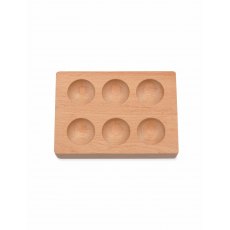

Garden Trading Borough Egg Holder
Display and store fresh eggs on the kitchen counter or in the fridge with our natural beech Borough Egg Holder.


Garden Trading Chedworth 12 Shoe Locker Whitewash
Garden Trading Chedworth 12 Shoe Locker Whitewash
Practical and stylish storage inspired by traditional design, our Chedworth Shoe Locker is crafted in spruce and now available in a new Whitewash colourway, which blends beautifully with both neutral and dramatic colour tones.The perfect way to ensure that all those stray trainers, football boots and pumps have a home, the shoe locker comes in a...
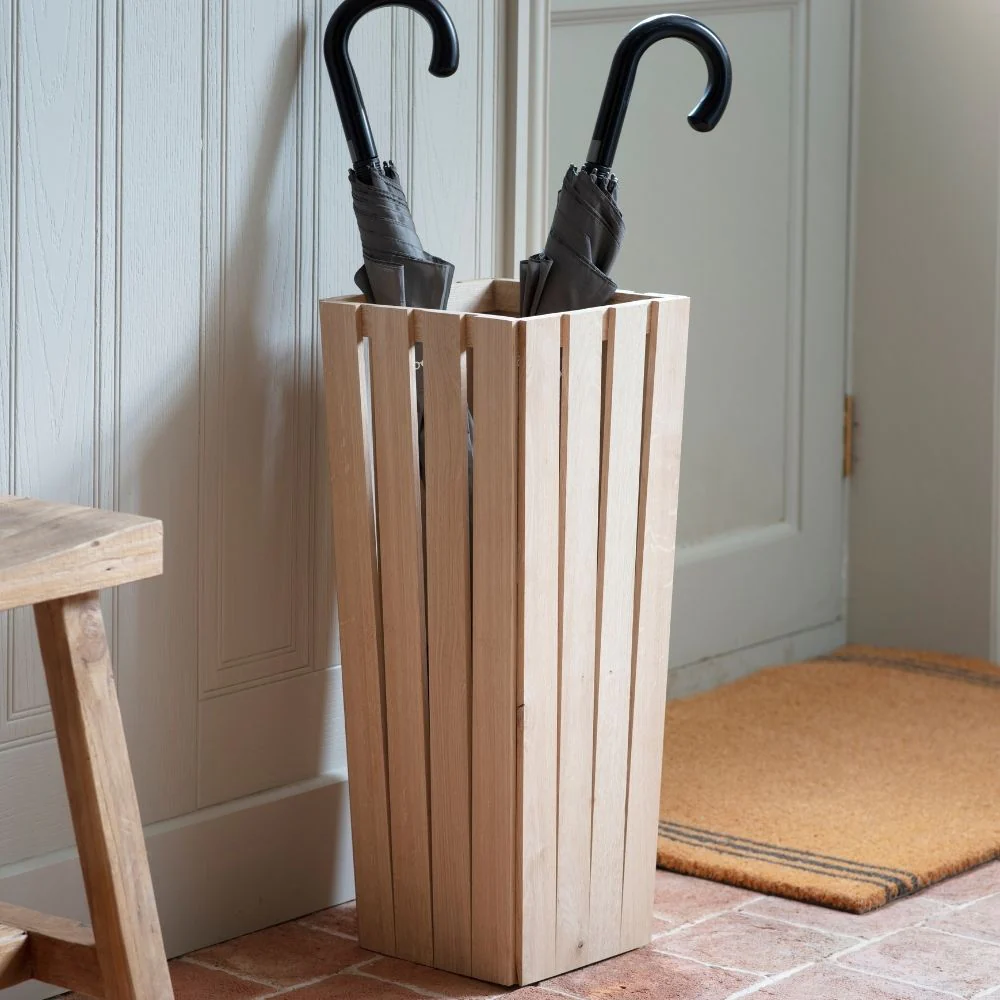
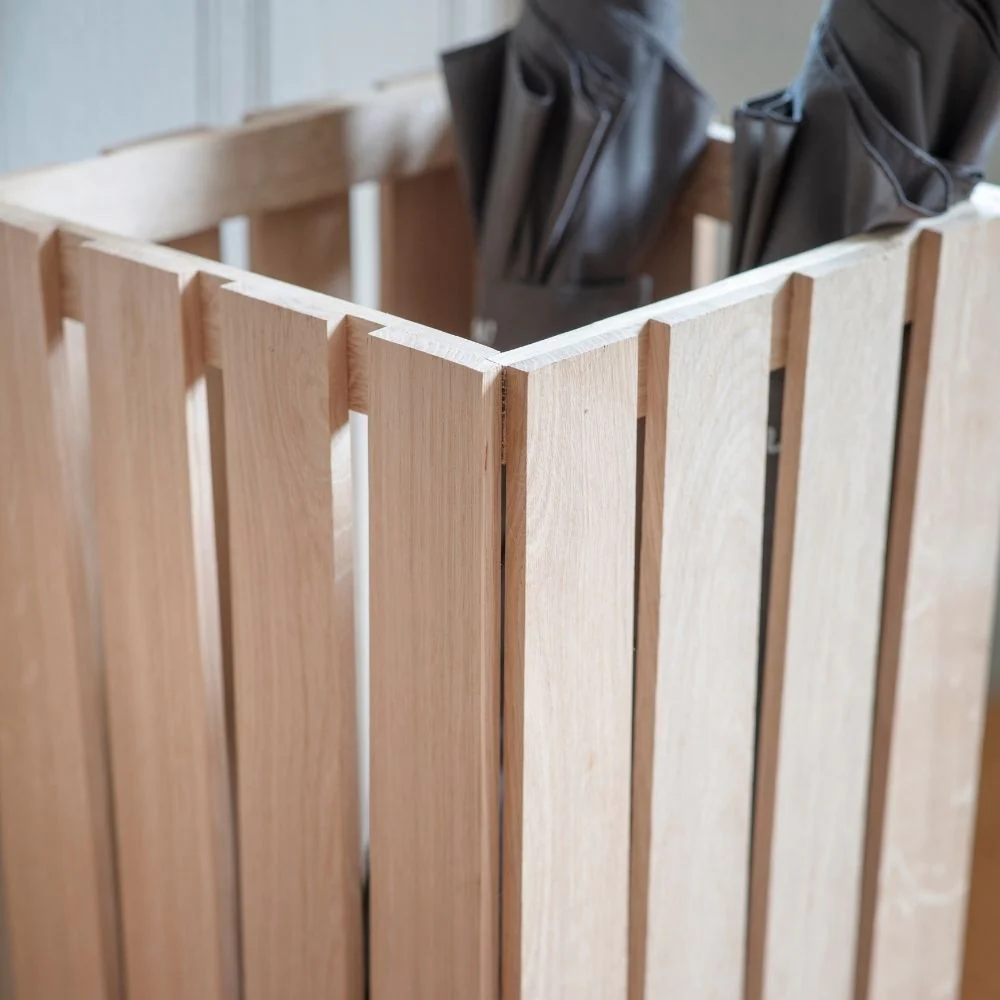
Garden Trading Hambledon Umbrella Stand
Garden Trading Hambledon Umbrella Stand
Our Hambledon hallway collection just wouldn't be complete without an Umbrella Stand to match. Handmade from natural oak, it features a metal tray at its base to catch excess water (and keep floors dry).
Dimensions: H60 x W25 x D25cm
Crafted in Oak
For indoor use only
Fully-assembled
Includes metal tray in base


Garden Trading Clothes Horse Beech
Garden Trading Clothes Horse Beech
Dry clothes stylishly on the Garden Trading Folding Clothes Horse. Emulating the classic concertina design it includes two height settings to adjust to fit within any living space. Offering quick and efficient drying no matter the weather outside, the airer can be placed in a warm spot for both large and small washes.Crafted from durable Beech, we've allowed the...
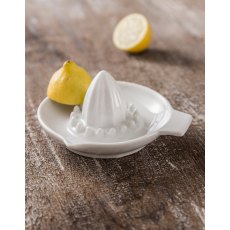
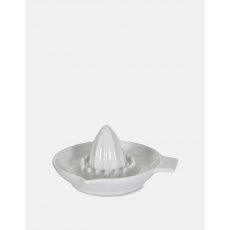
Garden Trading Lemon Squeezer
Garden Trading Lemon Squeezer
Produced from crisp white Porcelain, this handy kitchen accessory is the perfect item to have in the drawer or cupboard. From making salad dressings to drizzling cakes or making zingy cocktails, this squeezer works for all citrus fruits, catching the pips on its ridges and its handle helping pour juice with ease.
Dimensions: H7.5 x W14.5 x D13.5cm
Crafted in Porcelain
Not...

Garden Trading Brompton Pestle & Mortar - White Marble
Garden Trading Brompton Pestle & Mortar - White Marble
Crafted from white marble, our Brompton Pestle and Mortar makes an attractive addition to any kitchen. A pleasure to grind herbs and spices with, it's made to match other kitchenware from our Brompton range, such as our new Brompton Butter Dish and Brompton Rolling Pin. It would also pair perfectly with our Borough kitchen products. A thing...
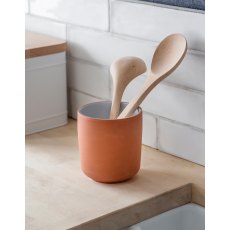
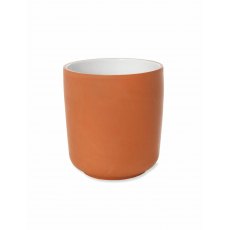
Garden Trading Enstone Utensil Holder Stoneware
Keep favourite utensils neatly stored in the traditional stoneware Enstone Utensil Holder. Its pumpkin tones are designed to add a touch of warmth to crisp white kitchens.
Dimensions: H13.5 x W12.5 x D12.5cm Crafted in Red Stoneware White interior Not dishwasher safe, wash in hot soapy water Do not clean with an abrasive sponge Not microwave safe
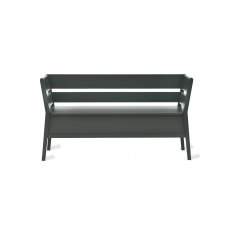
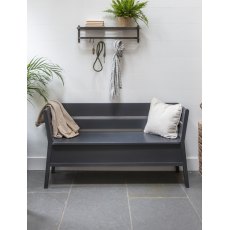
Modern Settle Bench In Carbon
Sleek and stylish Modern Settle Bench from Garden Trading is a must have item of furniture suitable for use in a hallway, kitchen, conservatory, play room or anywhere additional seating or storage is required.
Not only does it easily seat three people, it also offers under seat storage making it not only aesthetically pleasing, but practical too.
Crafted in Birch and MDF, finished in a carbon colourway
Indoor...


Garden Trading Classic Post Box with Lock - Silver
Garden Trading Classic Post Box with Lock - Silver
Keep your post safe, stylishly secure and hidden from the elements.
Crafted in Powder Coated SteelColour: Silver, Clay, Carbon, Charcoal or Lulworth BlueCarbon comes with a Galvanised Steel lidWeatherproofSecure lock with keyWe do not supply spare keysFixings supplied


Garden Trading Shipton Post Box with Galvanised Lid - Carbon
Garden Trading Shipton Post Box with Galvanised Lid - Carbon
Letters, newspapers, magazines and bills can stay safe and secure in the Shipton Post Box.
Dimensions: H39.5 x W28.6 x D17.5cmOpening: W24.5 x D3cmLid one opened: H15cmCrafted in Powder Coated SteelColours: Carbon, Clay or CharcoalCarbon comes with a Galvanised Steel lidSecure lock with 2x keysWe do not supply spare keysFixings supplied


Garden Trading Stowe Parcel Box - Clay
Garden Trading Stowe Parcel Box - Clay
Our Stowe Parcel Box will ensure that you never miss a delivery from the postman again. Designed with ample space to accommodate larger post and parcels safely and securely, this weather-resistant box is presented in our timeless Clay colourway, making it suitable for installing on an exterior wall or gate within both contemporary and traditional settings.
...
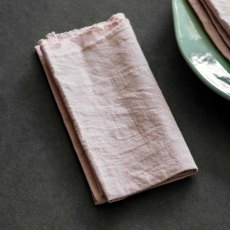
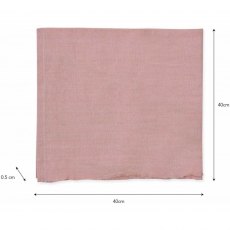
Garden Trading Set Of 4 Napkins Pink Gin
Dimensions: H0.5 x W40 x D40cm Crafted in Linen
Pink Gin Machine washable at 40 degrees


Garden Trading Original Shoe Shine Box - Carbon
Garden Trading Original Shoe Shine Box - Carbon
Keep all your shoe cleaning equipment stored neatly in our practical Shoeshine Box. The sleek Steel design comes in neutral Chalk or striking Carbon complete with the simple 'SHOE SHINE' type printed on one side. Designed with a removable inner tray, the three compartments are labelled with polish, laces and brushes whilst underneath has space for...


Garden Trading Classic Compost Bin 120L
Garden Trading Classic Compost Bin 120L
The 120L Compost Bin in galvanised steel is a sturdy option for your outdoor waste. Featuring a sliding flap hatch at the front for easy use, it also has a removable lid on top, making it ideal for removing compost and adding fresh garden waste.
Dimensions: H64 x W45.5 x D53cm
Crafted in Galvanised Steel
Designed for use with garden waste
Includes...


Garden Trading Melcombe Ironing Shelf - Lily White
Garden Trading Melcombe Ironing Shelf - Lily White
You needn't hide your ironing board in a cupboard, but you also don't want it taking up vital floor space. The answer? Our Melcombe Ironing Shelf. The two pegs are perfectly spaced to hang your board and the top shelf can store your iron and other cleaning items. Now, who needs a shirt ironed?
Dimensions: H33 x W42 x D21cmWeight: 2.2kgCrafted...

Match Box Carbon
This must-have fireside accessory for the winter months. Finished in our Carbon colourway it's designed to disguise cardboard match boxes and can be styled alongside matching items in the collection.
Size 13 x 8 x 4


Garden Trading Bretforton Firescreen - Silver
Garden Trading Bretforton Firescreen - Silver
With its curved Silver frame to hug your hearth and mesh centre to let warmth out but keep sparks in, the Bretforton Firescreen makes sure pets and little people stay safe around open fires. Available in two sizes, for fireplaces large and small.
Dimensions:Small: H63.5 x W74 x D15cmLarge: H68.5 x W82.5 x D15.5cm
Crafted in Powder Coated Steel
Steel...


Garden Trading Carbon Firelighter Box
Garden Trading Carbon Firelighter Box
A stylish way to organise the fireside or mantelpiece, our Firelighter Box is a must have for the winter months. It's designed with a simple flame graphic, keeping the design distinct yet uncomplicated. Crafted in Powder Coated Steel, in our Carbon colourway, which will add the finishing touch to any fireside decor. It's a clever way to keep the unattractive...


Garden Trading Fire Poker
Garden Trading Fire Poker
Prepare for cosy nights by the fire with our Fire Poker. Crafted in Wrought Iron, it's sleek and has a lovely antiqued finish which adds to its classic design.We love our fireside sets but sometimes all you need is a single tool. It's simple ball-handled design means it's easy to grip making sure you're not too close to the flames when tending to the fire. We think it'll...


Garden Trading Fireside Tools with Wall Rack Set of 4 - Black Iron
Garden Trading Fireside Tools with Wall Rack Set of 4 - Black Iron
Roaring fires are made easy with our Fireside Set of 4 Tools on a Wall Rack. Crafted in Wrought Iron, this set is beautifully and thoughtfully made to suit a variety of interior styles. Hang pride of place beside your fireplace or log burner for a stylish and practical statement piece in the home. Comprised of the Log Grabber to...
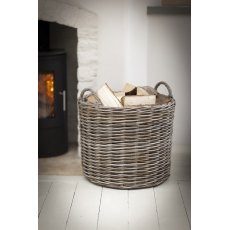
Garden Trading Giant Log Basket
Garden Trading Giant Log Basket
When generous storage is required our Giant Basket is the perfect choice. Handwoven from Rattan the circular chunky shape features two twisted handles for ease of moving when required. The rustic storage basket can house an abundance of homeware items where extra storage is needed. Whether it's throws and blankets, laundry, children's toys, logs and more, it's stylish...

Garden Trading Charcoal Coffee Canister
With its bold, clean lines this retro-style canister looks good in both modern and traditional kitchens. Eminently practical, it fits up to 500g of freshly ground coffee or a large jar of instant. It comes with a tight-fitting lid and the word 'COFFEE' printed clearly on one side. The canister has a Chrome handle with the body being crafted from Powder Coated Steel. Sold in a variety of colours the...

Garden Trading Charcoal Sugar Canister
Store sugar neatly on your kitchen worktop with the retro styled Sugar Canister. Crafted in Powder Coated Steel with a Chrome handle it fits a 1kg bag of sugar comfortably. Designed with the word 'SUGAR' printed on one side it can be matched perfectly with the Tea and Coffee Canisters in the same colour.
Dimensions: H20 x W12 x D12cm Crafted in Powder Coated Steel Handle is Chrome Not dishwasher...


Garden Trading Charcoal Tea Canister
With its bold, clean lines, this retro-style kitchen storage canister looks just as good in a modern-style kitchen as in a more traditional environment. Eminently practical, it fits up to 500g of loose tea or 160 tea bags comfortably and comes with the word Tea printed on one side. Crafted in Powder Coated Steel the canister comes with a Chrome handle for ease of opening and replenishing.
Dimensions:...


Garden Trading Borough Egg Rack Natural
Garden Trading Borough Egg Rack Natural
Much like our Borough Egg Holder, the Borough Egg Rack however houses double the number of eggs. Holding up to 12 eggs, keep this Beech rack in the pantry, kitchen counter, or in the fridge. Pair with other Beech designs from our kitchen collections
Dimensions: H13.5 xW20 x D14cmCrafted in solid beechHolds up to 12 eggsFully assembledComes in a plain...


Garden Trading Enamel Garlic Store - Truffle
Garden Trading Enamel Garlic Store - Truffle
The stylish way to store garlic, our Enamel Garlic Store makes an attractive addition to a country kitchen shelf, pantry or worktop. This lidded, two-handled container has a classic design in a warm Truffle colour and plenty of space for holding bulbs and cloves of garlic. Team it with our other Enamel storage containers for aesthetically pleasing kitchen...


Garden Trading Firelighter Box - Forest Green
Garden Trading Firelighter Box - Forest Green
A stylish way to organise your fireside or mantelpiece, our Firelighter Box is a must have for the winter months. It's designed with a simple flame graphic, keeping the design distinct yet uncomplicated.Crafted in Powder Coated Steel, it comes in our Carbon colourway, which will add the finishing touch to your fireside decor. It's a clever way to keep...
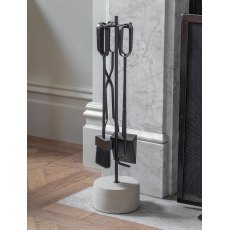
Garden Trading Oldbury Cement Fireside Tool Set
Garden Trading Cement Fireside Tool Set
Positioned beside a fireplace or log burner, our fireside style companion stores all the essential tools you'll need to keep your home stoked to perfection. Crafted in steel with a matt black finish, it features a contrasting circular cement base which steps away from traditional design. The tool set pairs well with the new fire Rectangular Firescreen in...
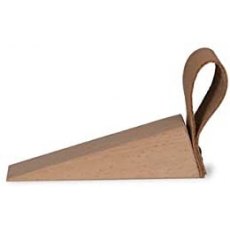
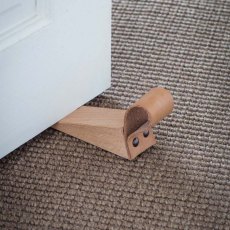
Garden Trading Kelston Door Wedge With Leather Strap
Garden Trading Kelston Door Wedge With Leather Strap
The simple yet practical design of the Kelston Door Wedge will prove to be an indispensable item throughout the home. With its triangular shape the raw Beech design will help keep doors wide open when needed.
Dimensions: H8 x W12.5 x D4cm
Crafted in Beech and Leather
For indoor use only


Garden Trading Cement Door Stop - White
Garden Trading Cement Door Stop - White
Ensure doors are propped open in style with the Cement Door Stop. The heavy and durable piece has an industrial feel that fits well in contemporary homes. The rustic pitted texture will vary from piece to piece adding to its raw appearance. The contrasting Jute rope loop juxtaposes materials and doubles as a practical handle. It's supplied with a rubber base...